

Labor Day: More Than Just a Long Weekend – Unpacking the Movie and the Holiday
Labor Day brings to mind backyard barbecues and mattress sales. Beyond the sales and smoke lies a holiday with deep roots. A movie of the same name adds to its significance, sharing themes of intimacy and tension.
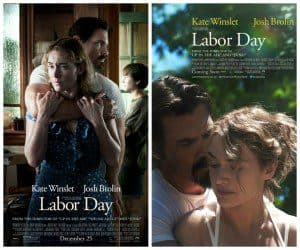
Labor Day the Movie: A Tense Holiday Weekend
The film "Labor Day," directed by Jason Reitman in 2013, is not about unions. Instead, it focuses on a personal story set during the 1987 Labor Day weekend. It’s less about protests and more about pie-making with a different kind of guest.
Plot Points and Pie: Diving into the Story
The story unfolds with adult Henry Wheeler narrating (Tobey Maguire). The awkwardness of adolescence is showcased in a small New Hampshire town, though filmed in Massachusetts. Young Henry (Gattlin Griffith) supports his reclusive mother, Adele (Kate Winslet). Adele struggles deeply.
One day, while shopping for school supplies, they meet Frank Chambers (Josh Brolin). Frank seems imposing at first. Yet, a need for help lingers beneath. Adele, drawn in or just desperate, agrees to help him. Spoiler alert: Frank isn’t what he seems. He is an escaped convict.
Chaos follows. The tension increases as Frank’s past comes to light. Flashbacks reveal a tragic drowning that led to his imprisonment. It’s heavy material, far from lighthearted picnic talk.
Characters in Close-Up
Here are the major characters:
- Henry Wheeler (Gattlin Griffith): Thirteen and burdened, Henry navigates adolescence while caring for his mother. His life grows chaotic with the arrival of an escaped convict.
- Adele (Kate Winslet): Winslet portrays Adele, a fragile character with emotional scars. She connects with Frank in a mix of attraction and fear, adding depth to her role.
- Frank Chambers (Josh Brolin): Brolin captures Frank's complexity. He is dangerous yet vulnerable. Frank's presence creates a pull, leading Adele to feel both fear and curiosity.
Setting the Scene: Time and Place
The film is set during Labor Day weekend in 1987. This choice evokes nostalgia. The absence of technology creates a classic atmosphere. The isolated New Hampshire town heightens the drama, keeping viewers focused on the intimacy of Adele's home.
Genre-Bending: Romantic Thrills and Chills
"Labor Day" blends romance and thrill. It’s not typical, legs entwined or chase scenes. Instead, it’s a slow-burn story filled with character exploration and tension. The film prompts viewers to consider both danger and connection in tumultuous circumstances.
Content Considerations: A Heads-Up for Viewers
A caution for sensitive viewers: "Labor Day" contains intense themes. It includes violent scenes, though not graphic. Discussion of sex appears, with flashbacks to intimacy that may not suit a younger audience. Parents may want to think before introducing it to children under five.
Labor Day the Holiday: A Celebration of the Working Class
Now, switching from film to reality, Labor Day celebrates workers. This holiday has a rich history tied to the labor movement of the late 19th century. It encompasses strong imagery of worker solidarity and unity.
From Labor Pains to Labor Day: Origins and History
In the late 1800s, activists sought recognition for workers’ contributions. They campaigned for a federal holiday during tough working conditions. Unions advocated for fair treatment and a day to celebrate labor.
The origin of the holiday links to the Haymarket Riot of 1886 in Chicago. Thousands marched for an eight-hour workday. Violence erupted, leading to loss of life and cementing its importance in labor history. Inspired by this, May Day emerged in Paris as another worker celebration.
Who created Labor Day is debated historically. Peter McGuire, a carpenter, often received the credit as the father of Labor Day. Yet evidence hints at Matthew Maguire, a machinist, as the true originator. Despite the debate, the essence of honoring workers endures.
The first U.S. Labor Day occurred on September 5, 1882, in New York City. Ten thousand marched in support, organized by unions. It showcased banners and unity, embodying the strength of labor movements.
Labor Day took time to become nationwide. In 1894, amidst a railroad strike crisis, President Grover Cleveland made it official. He signed the law, marking Labor Day as national recognition for workers.
Purpose and Meaning: More Than Just a Day Off
So, why celebrate Labor Day beyond sales? It’s a day dedicated to recognizing workers’ achievements. It highlights their contributions to society and economy. For many today, it may symbolize a long weekend, but its original meaning runs deeper.
Labor Day roots connect to the eight-hour day movement. This aimed for "eight hours for work, eight hours for recreation, and eight hours for rest." It symbolizes balancing life beyond endless labor. The holiday reflects the continuous fight for fair treatment and dignity in the workforce.
Holiday stands for "a day of rest and recreation, a day of enjoyment." It marks a break from work, celebrating labor's role in society.
Traditions and Celebrations: Parades and...Parties
The classic Labor Day celebration? Parades and parties! Similar to the first celebration in 1882, parades showed labor unity. Parties followed. Picnics and community gatherings remain common for the holiday.
A Biblical Perspective: The Importance of Rest
Labor Day has biblical resonance. The Bible stresses rest's importance. God took a rest day after creating the universe. Work and rest rhythms are vital for our physical and spiritual well-being. Labor Day echoes this principle, noting rest is a necessity, a "biblical command" for all.
Labor Day vs. May Day: A Tale of Two Holidays
The contrast between US Labor Day and May Day is notable. May Day has European roots and ties to Haymarket events. During the Cold War, the US distanced from May Day due to communist links. Labor Day in September honors workers distinctly, separate from political May Day.
Fashion and Customs: Beyond the White Pants Rule
Now, let’s discuss Labor Day fashion and customs. Many know the "no white after Labor Day" rule.
The Great White Myth: Debunking Fashion Folklore
The "no white after Labor Day" rule is well-known. Where did it originate? Is it still relevant? The rule stems from historical class distinctions. In the past, white clothing symbolized summer leisure. Wearing white after Labor Day marked summer's end, seen as out of touch.
The wealthy, able to vacation in summer while keeping their white clothes clean, highlighted their status. Dark colors suited city life, where dirt was common. Wearing white after Labor Day was viewed as showy. It indicated "means to flaunt summer whites longer." Wearing whites post-Labor Day suggested "showing off."
Today, most fashion experts view the “no white after Labor Day” rule as outdated. It is a relic. Now, white is accepted year-round. Feel free to wear those white jeans in October. Fashion freedom exists!
Color Palette: Red, White, and Blue, and Funeral Whites?
For Labor Day colors, think red, white, and blue. As with Memorial Day and Independence Day, Labor Day is national, with patriotic colors of the American flag.
Here’s a curveball – white at funerals? While black signifies mourning in Western cultures, white is sometimes acceptable at funerals in certain cultures.
In many non-Western traditions, especially in the Middle East and Asia, like China and India, white stands for purity and hope. It symbolizes peace and respect for the deceased. "White symbolizes purity, peaceful transition, and connection to the divine, making it suitable for honoring the deceased."
During Hindu and Sikh funerals, white is customary for mourning. Muslims often wear white as well, though dark colors may also appear. In Catholic funerals, white is acceptable too as it represents purity and hope for eternal life.
This color discussion illuminates cultural variations in symbolism. If unsure what to wear to a funeral, best practice is to "ask the family" or funeral home. Regardless of color, remember to "dress conservatively and modestly." Funerals aren’t for fashion statements.
So there you have it. Labor Day and its ties to culture offer more depth than expected. One stands as a tense drama for a holiday weekend, while the other celebrates labor's roots in the 19th century. Both remind us to pause, reflect, and perhaps enjoy a slice of pie or a hot dog this Labor Day weekend.







Responses (0 )