

The Negotiator: A Deep Dive into Betrayal, Redemption, and High-Stakes Talk-Downs
Ever feel certain you're right, but no one believes you? Imagine that, with your career, freedom, or life at stake. That's the stress facing Danny Roman, the 1998 thriller "The Negotiator's" protagonist. Samuel L. Jackson plays him brilliantly. This film isn’t just another cop story; it’s clever and thrilling, keeping you guessing till the end. Let’s explore why "The Negotiator" stays compelling through its characters, production, reception, and negotiation principles highlighted within.
Meet the Players: Characters in the Crossfire
Danny Roman: The Negotiator on the Edge
Danny Roman is the top negotiator in Chicago. He steps in during crises when lives are at risk. But fate turns cruel. Now suspended with prison time looming, he fights to prove innocence. How? He takes hostages. Extreme, but desperate times need dramatic actions. His situation reveals corruption in his police unit. Danny's right; corrupt officers are the real criminals behind his downfall. He gets framed while daringly exposing the truth. In the end, he is cleared and finds redemption. Samuel L. Jackson captures his raw intensity. You feel for Danny, even as he navigates the law's gray areas. Want to explore his psyche? A character analysis shows his resilience under pressure.
Grant Frost: The Corrupt Commander
Nate Roenick: Partner and Victim
Nate Roenick, Danny's partner, is crucial to the film's conflict. At Chicago's east precinct, Nate uncovers corruption while working with Danny. He informs about embezzlement, thinking he can do right. But in "The Negotiator," integrity has deadly consequences. Grant Frost murders him to frame Danny Roman. Frost sets up Danny as Nate's killer, deepening Danny's plight. Nate's death leads Danny into a trap where police suspect him immediately. With no witnesses or informant to vouch for him, he becomes vulnerable. The lingering question: was Nate informing on Dan or trying to protect him? The truth reveals Nate exposed corruption but became a target, paying with his life for integrity. Nate’s fate highlights the film’s dark reality – danger lurks even in those meant to protect.
Terence Niebaum: The Internal Affairs Inspector with a Hidden Agenda
Meet Terence Niebaum, the Internal Affairs investigator portrayed with unsettling ambiguity by J.T. Walsh. He is meant to bring justice but isn't what he seems. Niebaum "finds" the gun that killed Nate, conveniently piling on evidence against Danny. Here's the twist: he's entrenched in corruption, working with Frost and crooked cops. One hostage Danny takes is Niebaum himself. It’s his last effort to force the truth out of Niebaum. The harsh reality hits: Terence betrayed Danny, a law upholder turned corrupt. Who murdered Nate? Grant Frost did it; he couldn’t buy Nate like he did Niebaum. Internal Affairs inspector Niebaum reflects moral decay, showing corruption seeping into law institutions. His betrayal is a turning point, emphasizing Danny’s deep isolation and tough fight.
Chris Sabian: The Negotiator from the Other Side
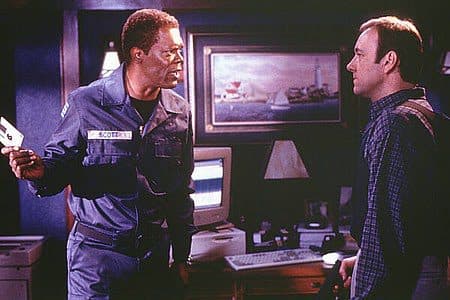
As Danny takes hostages, the Chicago PD sends their best: Chris Sabian, played with charisma by Kevin Spacey. Sabian and Roman mirror each other—masters of conversation but now enemies. When Chris arrives to hear Danny’s demands, a tense showdown starts. Their dialogue is sharp and strategic, a psychological chess match. Sabian isn’t there just to talk Danny down; he is observant too. In a key moment, he sees Frost lock a door and take a loaded gun, raising his alarms. He realizes something is wrong. Chris knows Frost is involved in the conspiracy and Roenick's murder. Sabian excels in negotiation and sharp perception, sensing hidden truths. He’s the outsider who can cut through deception threads. The dynamic between Roman and Sabian drives "The Negotiator," creating a blend of respect, distrust, and eventual cooperation.
Behind the Camera: Movie Details and Production
Based on Reality: The St. Louis Pension Fund Scandal
Truth can be stranger than fiction, and "The Negotiator" finds inspiration in a 1988 scandal from St. Louis. The film is largely based on real events involving a kickback scheme stealing $333,000 from the police and fire department pension fund by ex-cop Anthony D. Daniele. He served eight years for his crime. This St. Louis pension scandal grounds the movie in authenticity, revealing possible corruption within public institutions. While "The Negotiator" dramatizes events, its pension fund embezzlement theme resonates with documented realities, amplifying its impact. The film taps into fear—those meant to protect may be betrayers.
Chicago and Los Angeles: Filming Locations
Filmmakers picked key spots for "The Negotiator" to enhance realism. Principal photography took place in Chicago. The city's architecture provides an authentic backdrop. The intense atmosphere suits the high-stakes drama. Afterward, production moved to soundstages in Los Angeles for controlled interiors. Chicago's locations anchor the film. The locations allow for tense, claustrophobic settings, especially during negotiations. The combination of real and studio settings boosts the film's visual impact.
Rated R for Intensity: Content Advisory
"The Negotiator" is not for everyone. It earns its R rating through action, strong language, and adult themes. The Cinemax advisory notes: rated R for violence (V), adult language (AL), and adult content (AC). The film depicts police corruption and high-pressure situations. Expect violent shootouts and tense standoffs that reflect the narrative's stakes. Strong language enhances the raw dialogue, especially in negotiations. While adult content is listed, violence and language drive the rating, not sexual content. If sensitive to language and violence, be aware of the rating. You can check the parents guide - The Negotiator (1998) - IMDb for details.
F-Bombs Away: Language in "The Negotiator"
Critical Acclaim and Audience Buzz: Movie Reception and Analysis
A Solid 9/10: Reviews and Recommendation
Is "The Negotiator" a good movie? Critics and audiences say yes! The film gets praise for its plot, pacing, and performances. One reviewer stated: "Jackson and Spacey are exceptional. Giamatti's comic relief was outstanding." If you want a smart, taut thriller, "The Negotiator" delivers... 9/10." This score shows the film excels in thrilling action and witty dialogue. Another viewer said: "The Negotiator is solid. Jackson and Spacey's tense negotiations hooked me. It's a mix of smart dialogue with twists I didn't see coming." The film balances negotiations with bursts of action, keeping viewers engaged. Its twists maintain suspense and entertainment value. Looking for an intelligent thriller? "The Negotiator" is a top choice.
If You Like This, Try That: Similar Movies
If you enjoyed "The Negotiator," you might seek similar films. Some suggest "Fast and Furious" for action sequences and themes of loyalty. However, that film leans heavily into action. Others mention "Point Break," a thriller with law enforcement and confrontations, but it has a different focus. While these films capture action or suspense, they miss "The Negotiator's" unique blend of negotiation and character-driven drama. For a closer match, consider films about hostage situations or police corruption. Think of "Inside Man" for heist and negotiation elements or "Training Day" for its police corruption exploration. While "Fast and Furious" and "Point Break" deliver thrills, "The Negotiator" stands apart for intelligent thrillers emphasizing dialogue and negotiation.
Unraveling the Plot: Key Moments and the Ending
The Negotiator's Plot: A Summary
To grasp "The Negotiator," let's break down its core points. Danny Roman (Samuel L. Jackson) is a Chicago hostage negotiator who learns about police fund embezzlement from a friend. Tragically, the friend dies. An internal affairs investigator pins the murder weapon on Danny, making him a key suspect. When no one believes him, Danny takes action: he takes hostages in an office. This isn't desperation; it's a calculated move. Chris Sabian (Kevin Spacey) arrives to negotiate. The two engage in a tense standoff marked by sharp dialogue, maneuvering, and a quest for truth. The plot reveals corruption and betrayal, diving deeper into investigation. The hostage situation sparkles with complexity.
Partner's Demise: What Happened to Roman's Partner?
A key question is: What happened to Roman's partner? The answer is grim. Roenick is shot dead by Grant Frost to frame Danny. Roman is trapped and discovered by police, making him look guilty. He cannot corroborate Roenick’s story or identify the informant on corruption. This isolation leaves Danny vulnerable and accused of his partner’s murder. Nate's death strikes deeply, pushing Danny to clear his name and expose the real killers. The mystery of who killed his partner drives Danny's narrative.
Frost's Fatal Move: Who Killed Danny's Partner?
The killer's identity is vital to the film's conflict: Who killed Danny's partner? The answer is Nate Roenick, shot by Grant Frost. Frost, the corrupt police commander, pulls the trigger. Nate becomes a casualty of his quest to expose corruption. Frost's motive is self-preservation; Nate was close to uncovering embezzlement. Framing Roman deflects suspicion and eliminates a threat. Frost's actions show the lengths corrupt individuals go to protect illicit activities, turning colleagues into targets.
they are sworn to uphold.
Ending Explained: Justice Served, Truth Broadcast
The climax of "The Negotiator" builds tension. As the standoff peaks, Frost makes a key mistake. Frost exits, thinking he has won. He finds Sabian only wounded Roman. This was a bluff by Sabian, letting Roman live to execute his plan. Roman used a police radio to broadcast his confession. Frost's admission, detailing his corruption and Nate's murder, reaches the police and all tuned into the frequency. Shamed and exposed, Frost's facade falls apart. In despair, Frost tries to kill himself. Justice steps in. Beck, an honest officer, shoots Frost in the shoulder. Frost ends up arrested for Nate's murder and massive corruption. Other corrupt officers involved in the pension fund scheme are also caught. Roman survives, is vindicated, and justice prevails. The movie ends not just with arrests but with truth exposed and accountability served.
The Setup: Who Framed Danny?
Frost is the main villain. The setup is complex: Who framed Danny in The Negotiator? At first, it seems Internal Affairs is against Danny. As the plot unfolds, the truth grows clearer. Danny suspects Nate of being corrupt. They confront each other intensely. Later, Danny learns Nate was the informant. Nate aimed to expose corruption. Sabian, the negotiator, was bluffing all along. He used psychological tactics to get Danny to uncover the scheme. Danny, guided by Sabian, sees the extent of the corruption: rogue officers filed false disability claims. These claims went through an insider on the board – Grant Frost himself. Frost masterminded the frame-up, illustrating deep systemic corruption that ensnared Danny.
Motive for Murder: Why Was Nate Killed?
Understanding motive is key: Why was Nate killed in The Negotiator? It comes down to one choice: corruption or integrity. Terence Niebaum betrayed Nate, who was already corrupt. Grant Frost murdered Nate because he would not be bought like Niebaum was. Nate posed a real threat to Frost's schemes as he represented integrity within the police department. He chose truth over deception and put himself in danger from those profiting off corruption. Driven by greed, Frost saw no issue with eliminating Nate. His murder highlights the dire consequences faced by whistleblowers challenging corrupt systems.
Fact vs. Fiction: True Story Basis Revisited
"The Negotiator" connects deeply to reality: Was The Negotiator based on a true story? Yes, it reflects the St. Louis pension fund scandal of 1988. The key figure, Anthony D. Daniele, an ex-policeman, was sentenced to eight years for stealing from the pension fund. His scheme cost $333,000. While "The Negotiator" fictionalizes events, it draws on authentic themes of corruption in law enforcement. By grounding its plot in reality, the film amplifies its themes of betrayal and justice.
Where to Watch: Streaming Availability
Streaming Services: "The Negotiator" Online
Want to experience "The Negotiator" or revisit it? You're in luck; it's on many streaming platforms. Is The Negotiator on Netflix? Yes, some users find it on Netflix in certain regions, with one viewer noting: "Just watched this on Netflix. Very interesting." Is The Negotiator on Hulu? Yes! Listings show: "The Negotiator (1998) Streaming: Watch & Stream Online via Hulu." Is The Negotiator on Prime? Yes! It's available on Amazon Prime Video to watch or rent: "Watch The Negotiator | Prime Video." A comprehensive list covers options across multiple platforms, including Paramount Plus, iTunes, MGM+, and others. To check full streaming options you can visit aggregate platforms. Some regions offer "Watch The Negotiator | Disney+," confirming broad availability of the film.
Sequels or Spin-offs? The Negotiators Series
Following the success of "The Negotiator," you might ask about sequels or other installments: Are there any? There isn't a direct sequel to the 1998 film with Danny Roman and Chris Sabian. However, there's a series titled "The Negotiators - Season 2 (2023)." However, this series is not linked to the original characters or plot of the movie. It likely explores themes of negotiation in new contexts. "The Negotiators" series and "The Negotiator" movie should not be confused as they are different projects. Currently, no direct sequels with the original characters exist, but "The Negotiators" indicates interest in high-stakes negotiation stories continues.
Negotiation Tactics: Lessons from the Movie
Famous Figures: Masters of the Art of Negotiation
"The Negotiator" highlights negotiation skill and strategy well. This raises an interesting question: Who are the best negotiators in real life? Many experts regard Nelson Mandela as history's best negotiator. He successfully negotiated the end of apartheid in South Africa, showing immense patience and strategic thinking in adversity. Nelson Mandela is celebrated for this significant achievement as South Africa's first president, guiding unity through transition. Angela Merkel also stands out as a masterful negotiator. Her journey includes not only political success but breaking gender barriers and shaping global diplomacy with calm strategies. Merkel finds common ground amid challenges and solidifies her status on the international stage. These figures illustrate that true negotiation goes beyond merely winning; it's about achieving positive outcomes through skillful communication and understanding.
Honing Your Skills: Becoming a Negotiator
If inspired by these negotiators from the movie or real life, you might wonder: How can one develop negotiation skills? To become a negotiator, focus on communication skills and gain practical experience along with training. Developing negotiation abilities requires education and personal growth. Prioritize enhancing
Your communication skills are important. Active listening helps a lot. Articulating points clearly and persuasively matters. Seek chances to practice negotiation every day. This can happen in work or personal settings. Formal training can help. It provides frameworks and strategies. Experience in law, business, or diplomacy can be invaluable. These fields offer real-world chances to apply and refine negotiation skills. Becoming a negotiator is a journey of learning. You will hone your ability to handle conversations and find agreements.
Rules of Engagement: Guiding Principles in Negotiation
Effective negotiation requires principles. What is the most important rule? Experts stress preparation. It forms the base of successful negotiation. The first rule is to know your goals and the other side's view. Preparation means researching issues and understanding objectives. Anticipate the other party's needs. The first rule is also captured in the phrase: "Know B[est] A[lternative] T[o] N[egotiated] A[greement]." BATNA is your best path if no agreement happens. It is crucial for evaluating offers and decisions. What is the golden rule in negotiation? Several experts stress trust and value. Other rules include: Don’t Sell; Build Trust; Start Strong; and Know When to Leave. These rules focus on rapport, value, strengths, and walking away from bad deals. Master negotiation rules means blending preparation, thought, ethics, and adaptability.
Good vs. Bad: Traits of Negotiators
What separates a successful negotiator from a poor one? What is the key trait? Anticipation is vital. Good negotiators foresee situations, allowing proactive planning. They are not reactive; they think ahead. Domination of conversation hinders success. Those who dominate miss chances to create value with others. They often fail to notice time passing or engage with counterparts suitably. Dominating prevents listening, crucial for understanding perspectives and finding agreements. Another pitfall is failing to listen. If you don’t understand the other side's interests, they feel ignored. This makes reaching common ground hard. Good negotiators listen well and communicate clearly. They prioritize understanding, collaboration, and not just dominance.
Common Mistakes: Negotiation Pitfalls to Avoid
Even experienced negotiators can face traps. What is the basic mistake? Inadequate preparation is common and damaging. Rushing into negotiations without proper prep is like going into battle blindly. Thorough preparation means knowing your goals and researching others. You must anticipate issues and develop a solid strategy. Another mistake focuses only on price and ignores value opportunities. Negotiation isn't just about money; it seeks solutions for various needs. Limiting negotiation scope to price creates significant chances for failure.
Frameworks for Success: The 5 P's and 3 C's of Negotiation
To structure your approach, use frameworks like the 5 P's and 3 C's. What are they? The 5 P's guide key elements: Preparation, Patience, Positivity, Persistence, and Persuasion. Preparation is essential for fruitful negotiation. Patience often plays a critical role; rushing can hurt results. Positivity creates a positive atmosphere for collaboration. Persistence helps navigate obstacles during negotiations. Finally, Persuasion is crucial for effective communication in reaching agreements. Along with the P's, the 3 C's focus on personal traits: Comfortable, Confident, and Convincing. People know confidence leads to being convincing, and comfort breeds confidence. Being comfortable eases the negotiation process.








Responses (0 )